
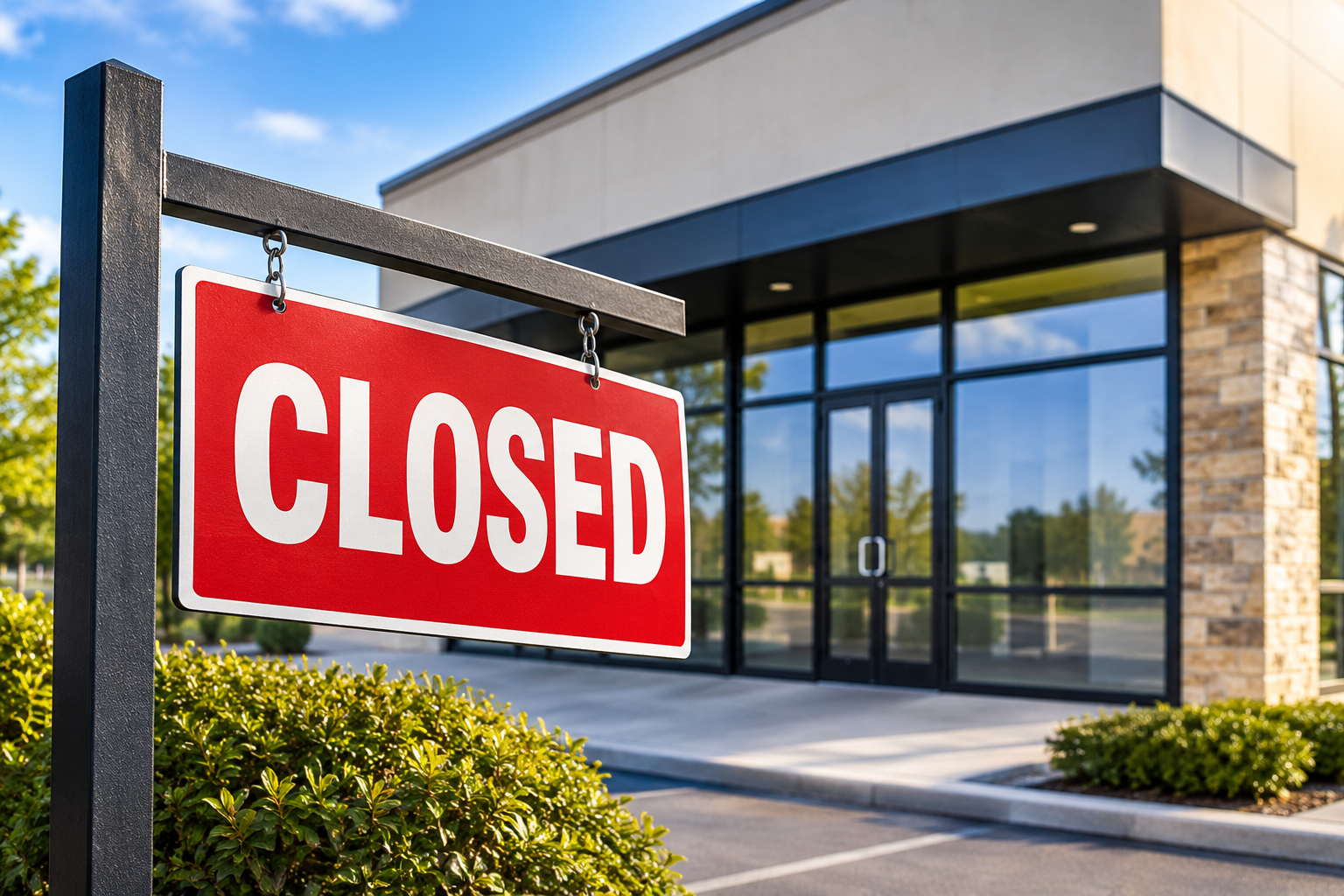
A business shutting its doors does not make its building, land, or lease disappear. Someone still holds legal title, lenders still hold claims, and creditors may be lining up. Owners across Fargo, Moorhead, Minot, and the surrounding region often discover that the way a business is structured decides who ends up with the property.
Why Closing a Business Does Not End Property Responsibility?
When a company stops operating, the real estate it holds stays on the public record under its name until a deed, court order, or other recorded document changes that. Taxes, insurance, and upkeep continue as well. Understanding where title stands is the first step toward a clean exit, and it is one of the main reasons owners work with a title company such as Secure Title Company early in the wind-down process.
Who Actually Owns the Property?
1. Property Held by the Business Entity
If an LLC, corporation, or partnership holds title, the entity owns the property, not the individual owners. Dissolving the entity does not automatically move title to its members. Property left in a dissolved entity can create confusion later, so owners usually need to record a deed or complete a formal distribution of assets.
2. Property Held Personally and Leased to the Business
Many small business owners in Cass County and Clay County hold the building in their own names and lease it to their company. In that case, closing the business ends the lease but not the owner’s title. The owner keeps the property and can sell, re-lease, or refinance it once any lease obligations are settled.
3. Property With Multiple Owners
Partnerships and family-held businesses often have several names on title. Each owner’s share and signature authority must be confirmed before anything is sold or transferred. Preparing for this early is explained in how to prepare property documents when multiple owners are involved.
How Ownership Typically Changes After a Closure?
The table below shows common paths and what each one usually involves.
| Scenario | What Happens to Title | Key Step |
|---|---|---|
| Owner sells the property | Title transfers to the buyer | Title search and closing |
| Entity dissolves and distributes assets | Title passes to members or shareholders | Recorded deed |
| Lender forecloses | Title passes through the foreclosure process | Legal proceedings |
| Owner dies or is incapacitated | Title passes through the estate | Probate or trust administration |
| Property is leased to a new tenant | Title stays with the owner | New lease agreement |
Debts and Claims That Follow the Property
A closing business often leaves unpaid obligations, and some of them attach directly to real estate. These are the claims that most often surface during a title search:
- Mortgages and deeds of trust still held by lenders
- Mechanics’ liens from unpaid contractors
- Judgment liens from creditors who won a lawsuit
- Unpaid property tax assessments
- Recorded easements or restrictions that limit use
Buyers and sellers should review what buyers need to verify about tax liens before closing, since unpaid taxes can block a sale. For a broader explanation of these claims, see what an encumbrance is and how it affects your real estate transaction.
Selling the Property After the Business Closes
A sale is often the cleanest way to turn a closed operation’s real estate into cash. The seller must first show that they have the authority to sell, which may require corporate resolutions, dissolution paperwork, or court approval, depending on the entity. A thorough review of what due diligence is done in a commercial title search helps sellers find problems before a buyer does. Once the sale moves forward, the key steps in a commercial closing you can’t afford to miss keep the deal on track, and the settlement statement shows exactly where the proceeds go.
Reinvesting the Proceeds Through a 1031 Exchange
Some owners who close one business want to stay invested in real estate. A tax-deferred exchange can allow the proceeds from a sale to roll into a replacement property, but the deadlines are strict. Review 1031 exchange timelines in North Dakota before listing the property, because a missed deadline can mean an unexpected tax bill.
When the Owner Passes Away or the Business Is Inherited
A business closure is sometimes tied to the death of an owner. Title then moves through the estate, and the process can delay any sale or transfer. Learn more about what happens to title when a property goes through probate so heirs know what to expect.
Title Insurance and Closed Business Properties
Title insurance protects new owners and lenders against defects in the record, such as missing signatures, forged documents, or undisclosed liens. These risks are greater when a property comes from a dissolved entity with an incomplete paper trail. Commercial policies carry different coverage and pricing than home policies, which is covered in how commercial title insurance differs from residential. Learn about local coverage on the North Dakota title insurance page.
| Risk | Without Title Insurance | With Title Insurance |
|---|---|---|
| Hidden liens | Buyer may pay the debt | Covered, subject to policy terms |
| Forged documents | Ownership can be disputed | Defense and coverage available |
| Missing heirs or owners | Claims may surface years later | Protected, subject to policy terms |
| Legal defense costs | Paid out of pocket | Handled under the policy |
Easements and Use Restrictions on Commercial Land
Even after a business closes, easements for utilities, access roads, or neighboring properties stay on the land. They can limit what a buyer can build or how the property can be used. A good primer is commercial real estate easements: what buyers and investors should know.
Local Considerations Across North Dakota, Minnesota, and Wisconsin
Property law and recording practices vary by state and county. A closed business in Fargo may face different steps than one in Moorhead, even though the two cities sit across the river from each other. Owners dealing with both sides of the border can compare buying property in Minnesota vs. North Dakota: key title differences. Local teams serve Moorhead and Minot, and the team handles residential and commercial closings in North Dakota as well as document services that prepare deeds and related paperwork correctly.
Steps to Protect Your Property When a Business Closes
Taking these actions in order can prevent costly surprises:
- Confirm how title is held and who has signing authority
- Order a title search to identify liens, judgments, and easements
- Settle or negotiate outstanding debts tied to the property
- Record any deeds or releases needed to clear the record
- Decide whether to sell, lease, hold, or exchange the property
- Use title insurance and professional closing services for any transfer
Frequently Asked Questions
1. Does a business closing automatically transfer the property to the owner?
No. If the entity holds title, a deed or formal distribution is needed to move it to the owners.
2. Can a creditor take commercial property after a business shuts down?
If a creditor has a recorded lien or judgment, it can attach to the property, though the process depends on the type of claim and state law.
3. Can I sell a building owned by a dissolved company?
Usually yes, but you may need to show authority to sell, which can involve reinstating the entity or obtaining court approval.
4. What happens to a commercial lease when the tenant business closes?
The lease obligations generally continue until the lease ends or the parties agree to a release, so landlords and tenants should review the lease terms.
5. Do I need title insurance if the property came from a closed business?
It is strongly recommended, since gaps in the paper trail can create defects that surface after the sale.
6. Who handles the paperwork for a post-closure property sale?
A title and closing company can run the title search, prepare documents, and coordinate the closing.
Contact Secure Title Company
Whether you are selling, transferring, or simply sorting out what comes next, Secure Title Company can guide you through each step.
Contact Info
Phone: (701) 660-5887
Email: info@securetitlecompany.com
Visit our contact page to get started.